
Assessment guide
Protocol due diligence
How the product operates, where it depends on other systems, and how its controls behave when conditions change.
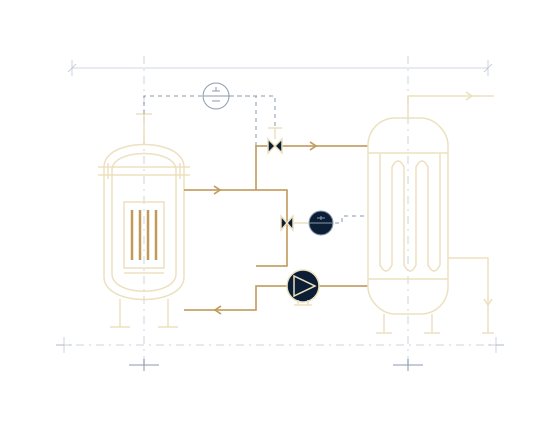
We follow a position through deposit, deployment, valuation and exit. The review connects contract mechanics to the economic activity beneath them, whether the protocol lends, trades, stakes or holds offchain assets.
01 / Review area
Mechanics and operating history
We examine the paths funds take through the protocol, the design it builds on, and the changes it introduces. A familiar codebase can behave differently under a new configuration.
Evidence we review
Contract logic, transaction flows, deployment history, design changes and observed incidents.
What it establishes
The assessment distinguishes demonstrated behaviour from assumptions that have not been tested in operation.
02 / Review area
Pricing, fees and settlement
We identify how values and fees are set, when they become binding, and who can alter them. We examine what happens between a user’s preview, transaction submission and final settlement.
Evidence we review
Oracle and pricing configuration, fee-setting authority, request records, settlement transactions and minimum-received protections.
What it establishes
We separate changes that affect new requests from powers that could affect an existing position or pending withdrawal.
03 / Review area
Risk controls under stress
We review collateral limits, liquidation mechanics, leverage and available exit liquidity together. A liquidation incentive is useful only if the underlying exit can be executed.
Evidence we review
Risk parameters, borrower positions, health factors, liquidation incentives, caps and liquidity constraints.
What it establishes
Stress comparisons state their assumptions and limitations; they are not forecasts of losses or guarantees that a position can be unwound.
04 / Review area
External dependencies
We map the protocols, custodians, market makers, price sources and other counterparties required for the product to operate. Integration can transmit failures between otherwise separate systems.
Evidence we review
Contract calls, strategy disclosures, fund movements, counterparty exposure and the permissions or eligibility required by each integration.
What it establishes
The report identifies where a failure could block settlement, impair backing or force an unwind.
05 / Review area
Authority and intervention
We establish who can change the protocol’s operating rules and what limits apply. Emergency powers are assessed alongside the risk created by those same powers.
Evidence we review
Role assignments, parameter bounds, upgrade delays, pause functions and records of operational changes.
What it establishes
We document controls that are deployed and enforceable. Proposed remediation is identified separately.
What the assessment records
A description of the protocol’s mechanics, dependencies, privileged powers and stress constraints, supported by contract and transaction evidence. Findings feed the Protocol track of the APB assessment.
Findings are specific to the contracts, documents and dates reviewed. Read the APB explanation for how the four tracks come together.
Continue through the framework
Discuss an assessment
Tell us which asset, protocol or chain you are reviewing, and the decision the assessment needs to support.